What We Do

Services

Here's what we pour, repair and finish, start to finish.

HomeServices

Everything we take on

Every job below is one we do ourselves across Wilson.

Concrete Driveways

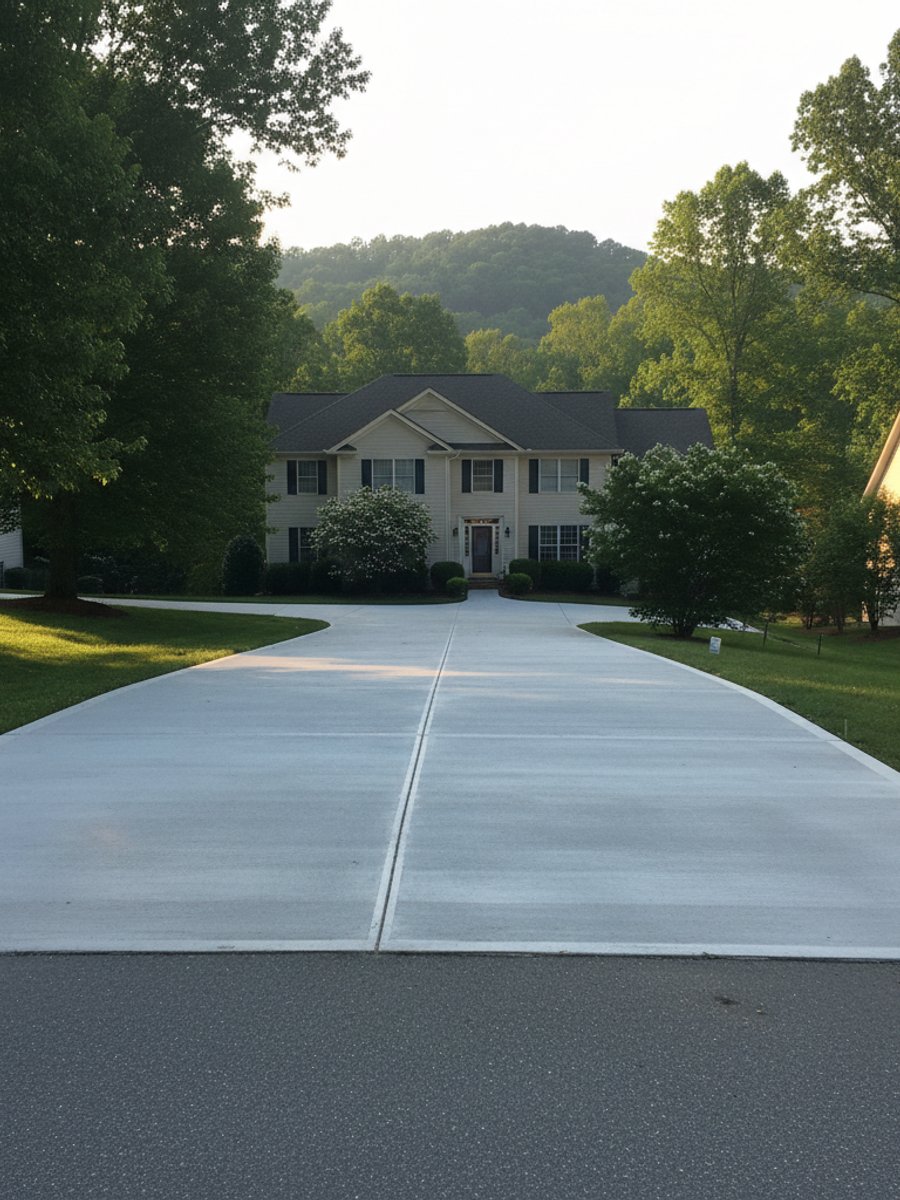
We pour driveways over a compacted gravel base so the slab doesn't shift when the clay underneath swells and dries. Most residential driveways run four inches thick, more if you're parking something heavier like an RV or a dually. We slope it away from the garage so water doesn't pool at the door.

Concrete Patios

A patio pour is usually four inches of concrete over a compacted base, broom-finished or stamped depending on what you want. We set the slope so water runs off toward the yard instead of back toward the house. Control joints go in the same day so the cracking happens in straight lines instead of across the middle.

Stamped Concrete

Stamped concrete gets you the texture of flagstone, slate or brick without individual pavers to relevel every few years. We color it with an integral pigment or a surface release depending on the pattern, then seal it once it's cured. It costs more than a plain broom finish, worth it if the patio or entry needs to make an impression.

Concrete Repair

Cracked slabs, sunken sections, spalling on the surface, we fix all of it. Sometimes that means mudjacking or foam injection to lift a sunk slab back to level instead of tearing it out. Other times the crack's too far gone and a section needs to come out and get repoured.

Concrete Sidewalks & Walkways

Walkways take a beating from freeze-thaw cycles more than most people expect. We reinforce with wire mesh or rebar depending on the width and set control joints every four to six feet so the slab has somewhere to crack that isn't across your path.

Garage & Shop Slabs

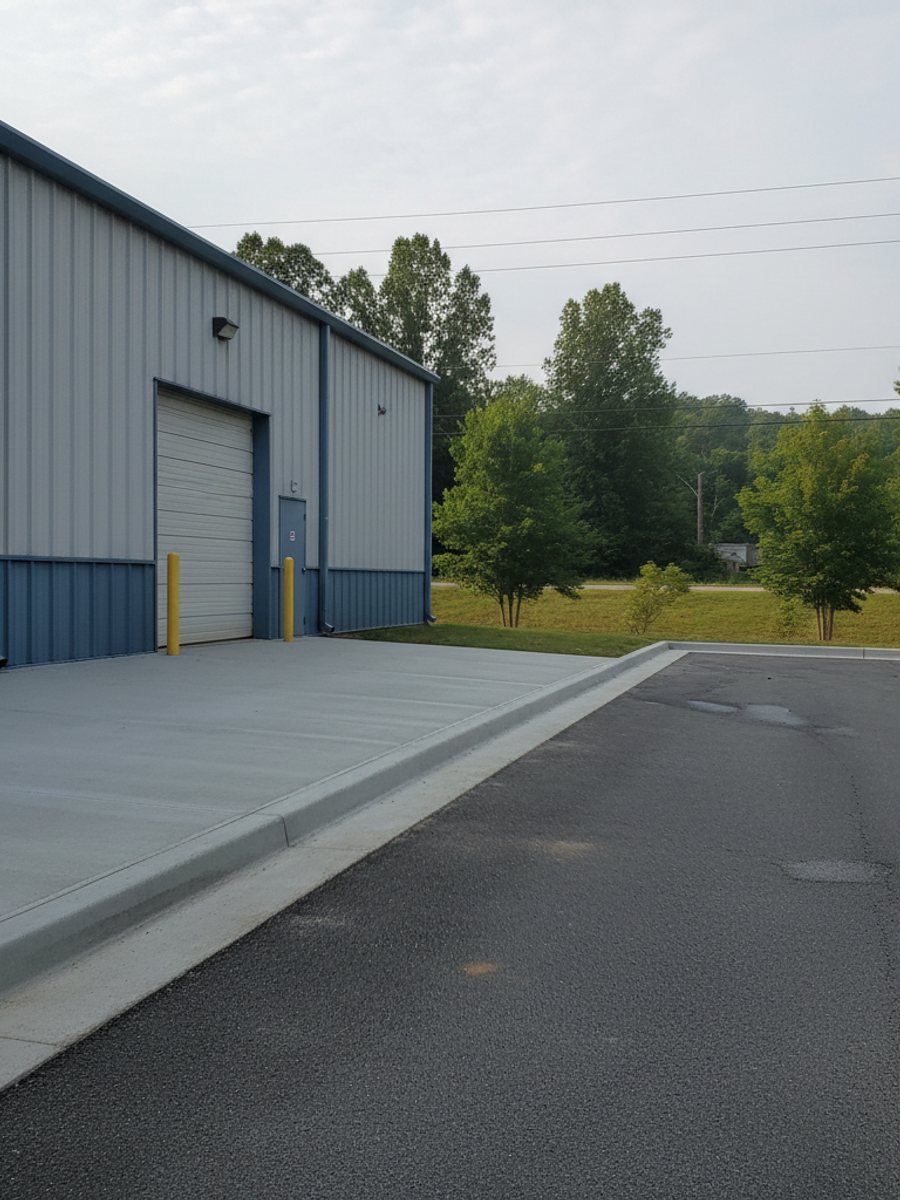
A garage slab needs to hold up to a lot more weight sitting still in one spot than a driveway does moving traffic. We pour these thicker, usually five inches with reinforcement, and grade the floor slightly toward the door so nothing pools inside.

Concrete Steps & Porches

Steps get formed and poured to match your existing grade and rise height, which matters more than people think once code inspectors get involved. We finish the tread surface with a broom texture so it's not slick when it rains.

Concrete Foundations

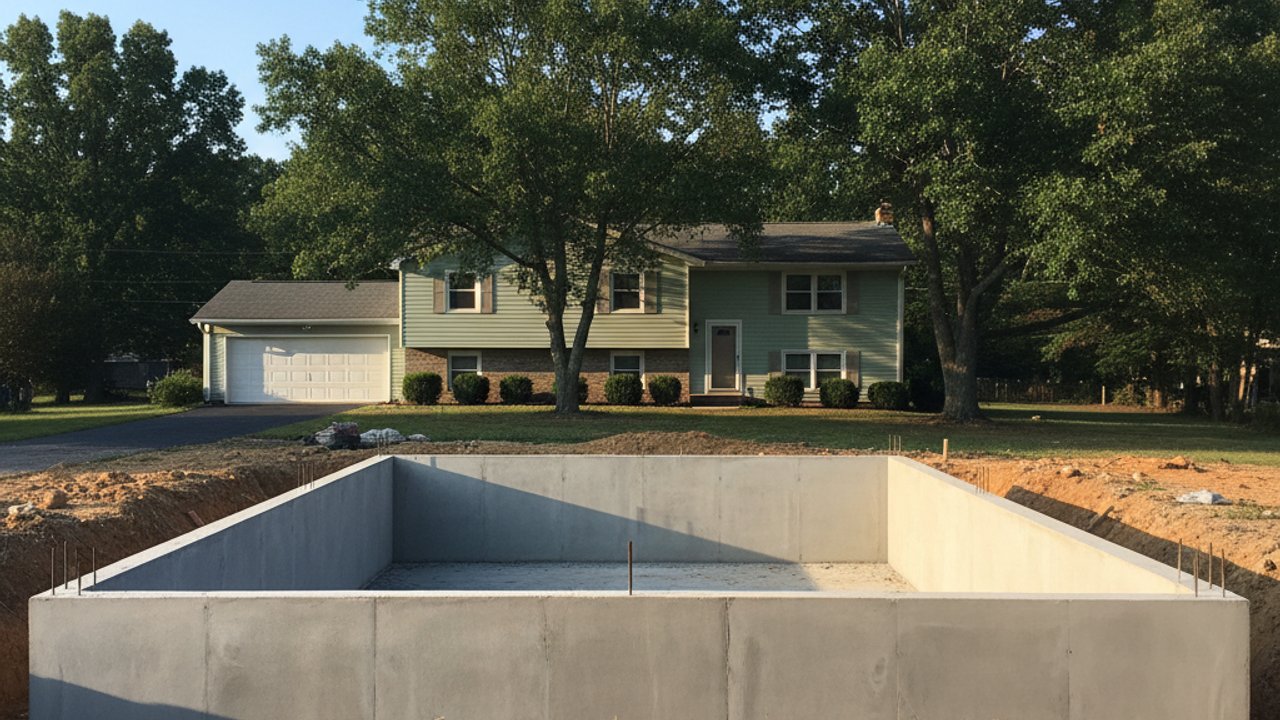
We pour footings and slab foundations for additions, sheds and detached garages. Depth and reinforcement depend on what's going on top of it and what the soil report says, if there is one.

Decorative Concrete Overlays

If your existing slab is solid but ugly, an overlay can resurface it without a full tear-out. We can add color, texture or a stamped pattern on top of concrete that's still structurally sound.

Concrete Removal & Demolition

Old driveway, patio or slab has to come out before anything new goes in. We break it up, haul it off, and grade the base before we ever set a form for the new pour.

How It Works

Four steps, and no surprises in any of them.

01

We come and look

You tell us what you want doing, we look at what is actually there, and we ask the awkward questions early.

02

You get a price

In writing, itemised, free. If something might add cost later we flag it now rather than at the end.

03

We do the work

Same crew throughout. We cover your floors, keep the dust down and tidy up before we leave each day.

04

We walk it with you

You point out anything you are not happy with and we fix it before the invoice, not after.

Where We Work

All of this, across Wilson, NC

We drive to wherever the job is, within reason.

Wilson, NC
Greenville, NC
Rocky Mount, NC
Goldsboro, NC
Clayton, NC
Kinston, NC
Smithfield, NC
Wendell, NC
Zebulon, NC
Tarboro, NC
Nashville, NC
Farmville, NC
Common Questions

Things worth asking

What usually comes up once a project gets real.

Do I need a permit to pour a new driveway or patio?
Many municipalities require a permit for new driveways, especially where they meet the street, but often not for a simple patio replacement. Local building codes vary enough that checking with the county or city office before pouring is worth the extra step.
How long does a typical concrete job take?
Forming and pouring a standard driveway or patio usually takes one to two days, but the concrete needs about a week before it can handle vehicle weight. Full cure strength takes closer to 28 days, though foot traffic is usually fine after 24 to 48 hours.
Can concrete work be done on a tight budget?
A plain broom finish costs less than stamped or colored concrete and holds up just as well structurally. Pouring a smaller area first and expanding later, or skipping decorative options, are common ways to keep a concrete project affordable.
Do concrete contractors guarantee their work?
Most concrete contractors warranty against structural defects like premature cracking outside of control joints or improper curing, though hairline surface cracking is normal and usually not covered. Asking specifically what a warranty covers, and for how long, matters more than the word warranty itself.
Who will I be dealing with during the project?
On most concrete jobs, the same crew that gives the quote handles the forming, pouring and finishing, which keeps details from getting lost between separate sales and labor teams. A single point of contact should be available to answer questions throughout the job.
What materials go into a residential concrete pour?
Standard residential concrete mixes run around 3,000 to 4,000 psi, with rebar or wire mesh added depending on the slab's use and thickness. Higher-strength mixes or fiber reinforcement get used for driveways carrying heavier vehicles or areas prone to freeze-thaw damage.
Can I still use my driveway or yard while the work is happening?
Vehicle access to a driveway is blocked from the pour date until the concrete cures enough to handle weight, typically five to seven days. Foot traffic around a patio or walkway is usually fine within a day or two, though furniture should stay off the surface until fully cured.
What do I need to do to prepare for a concrete pour?
Clearing the area of vehicles, furniture, plants and sprinkler lines before the crew arrives speeds up the job and avoids damage. Marking the location of any underground utilities or irrigation lines ahead of time is also worth doing.
What happens if something unexpected turns up during the job, like bad soil or old debris?
Unstable or overly wet soil, old buried debris, or tree roots sometimes show up once excavation starts, and dealing with it usually means extra base material or compaction before pouring continues. A reputable contractor explains the issue and any added cost before moving forward, not after the concrete is already down.
How do I take care of new concrete after it's poured?
New concrete should stay free of vehicle traffic for about a week and away from de-icing salt for at least the first winter, since salt accelerates surface flaking. Sealing a driveway or patio every two to three years helps resist staining and freeze-thaw damage over time.

Not sure what you need?

Describe the problem and we will tell you what it probably is. No obligation.
Call (252) 632-6032